Re-Imagining Digital Communications in a Post-COVID World (Live Online Programme)


Last date for registration: 13 Aug, 2021
End Date : 27 Aug, 2021
Early Bird Discount Date : 02 Aug, 2021
Early Bird Fee(excluding GST) : Rs. 72,675
Programme Overview
Managing uncertain and chaotic times, keeping employees engaged with strong communication networks and ensuring business continuity plans are on track – is a critical function that organizations’ want their managers and leaders to equip themselves with.
Since March 2020, organizations’ have scored highly for communication and integrity amongst their employees, with top leadership showing transparency and honesty in their communications, to ensure the work from home and decreased face-to-face interactions did not hamper productivity.
Internal communications appeared on external digital communication channels such as Twitter, LinkedIn, Blogs, etc broadcasting loud and clear to employees – supporting their well-being and showing flexibility – which was unprecedented given the uncertainty.
How can this shift, be viewed as an opportunity to carry forth digital communication in a post-Covid world? This programme will help participants assess the shift and nudge them to re-imagine and re-construct internal digital communications.
Programme Objective
- To develop an awareness about the versatile and dynamic communications approach that the digital space has created.
- To understand the role played by consistent, transparent, and honest communications by top management through the pandemic to ensure business continuity plans were in place.
- To design, develop and deliver a communication plan for internal networks.
Programme Content
1. Introduction to organizational communication
2. Modes/formats of organizational communication
3. Evolving changes in organizational communication
4. Significance of organizational communication
5. Defining change within organizations
6. External and internal factors affecting organizational communication
7. Types of change that call for communication efforts
8. Categorization of change in the organization’s context
9. Types of reactions from employees for different forms of change
10. Listening and understanding cues from non-verbal communication
11. Cultural perspectives to communicate; managing diversity
12. Alignment of employees’ cultural context with culture in organization
Key Benefits/Takeaways
- Recognizing the role of communications to build shared values and goals within the organization.
- Directing the communication from top management towards team members for effective dissemination.
- Deeper understanding of theories and concepts connected to digital audience and platforms.
Pedagogy
This is a workshop-mode of programme, meant to give participants a simulated and real-time environment.
Who Should Attend
Middle-Level Managers working with teams across continents and cultures.
Programme Schedule
August 23-27, 2021 (02:30 PM to 05:15 PM)
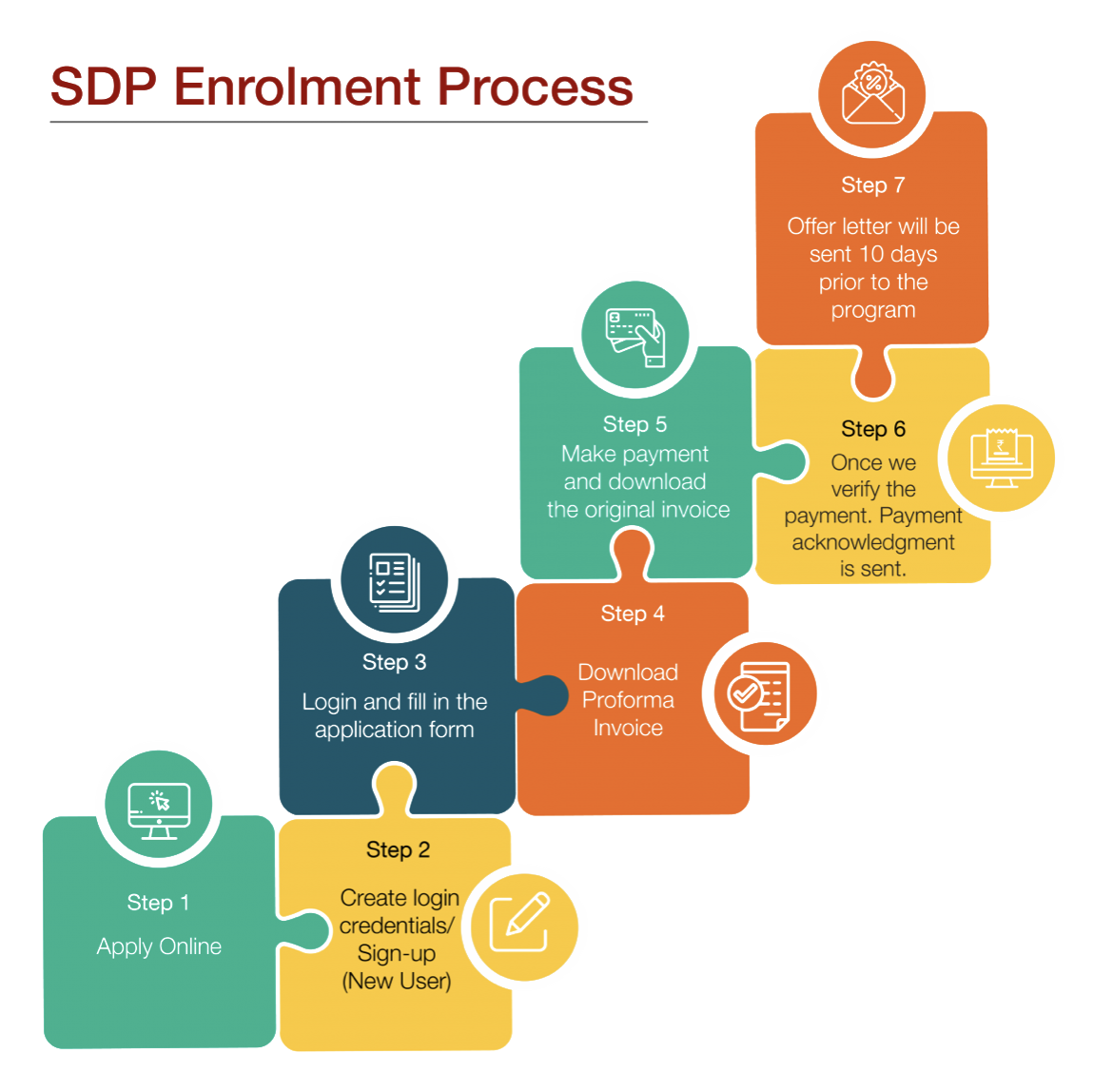
“The sessions will be delivered as Live online over the ZOOM platform. Given the online orientation, participants must be equipped with the requisite level of Internet connectivity. Participants are also required to turn the video on during the session as this helps to create a learning environment that is quite similar to a face-to-face class. Breakout rooms, polling will be used to facilitate discussion-based learning during the sessions.
The mode of delivery for sessions will be revisited based on the prevailing COVID situation. IIMB may choose to deliver the sessions either in live online or hybrid modes of delivery. Hybrid delivery implies that a part of the cohort is physically present in the classroom while the remaining students participate in the course virtually.”
Programme Director
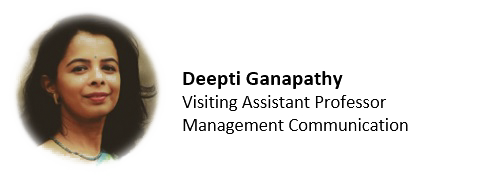
Deepti Ganapathy, PhD is faculty of communication at Indian Institute of Management Bangalore. She is a Rotary Group Study Exchange Fellow, CNN Young Journalist finalist, Creative Writing awardee by Royal Commonwealth Society, London and recognized by the International Journalists’ Network as ‘Journalist of the Month’. She holds a PhD from the Department of Studies in Communication and Journalism, University of Mysore and was a Visiting Fellow at UC San Diego. She blogs at www.deeptimediacreations.press and tweets @GanapathyDeepti
How to Apply